
Empowering Māori and Pacific Peoples
AND OTHER HIGH RISK COMMUNITIES AFFECTED BY DIABETES
Approaches of Care
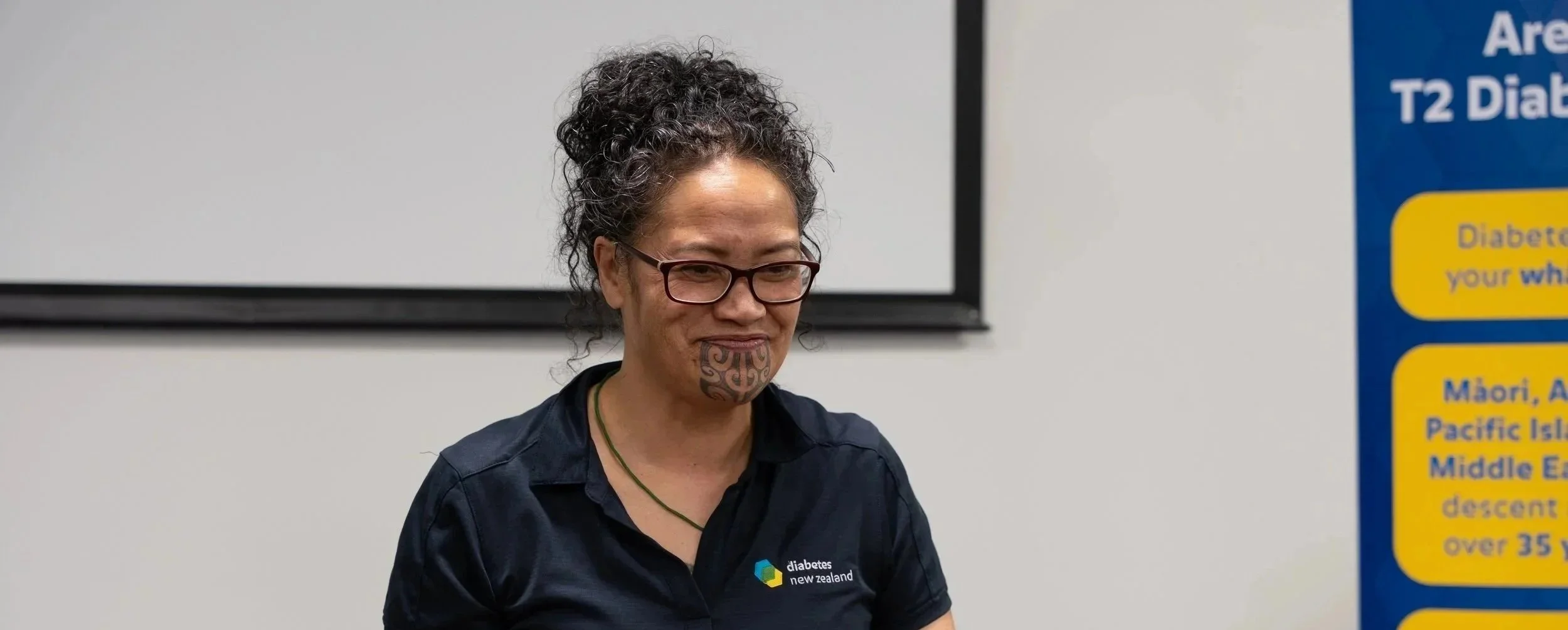
Our people: A team of Diabetes Community Coordinators | Kaiāwhina Mate Huka who are Māori and Pacific Peoples with lived experience.
Delivery: Working with Diabetes New Zealand’s partner organisations, we connect the health sector with communities facing barriers to care. By partnering directly with Māori and Pacific health providers, we deliver services within Māori and Pacific communities.
Why this works: It is people centric, informed by indigenous knowledge, using a range of culturally safe approaches which benefits the health of the whole family.
Katalina shares about her experience with our self-management programme.
“I was surprised at how many others on the programme were also living with diabetes. No one talks about it in this community. I love being part of a group that has normalised and reduced feelings of being whakamā (embarrassment). Happy I can now have open conversations about diabetes with others. Given me confidence and some courage.”
WHĀNAU NARRATIVE
Case Study
A 77‑year‑old Māori male experiencing significant deterioration in health, reduced mobility and endurance. His diabetes is severely uncontrolled, and he has multiple chronic comorbidities that compound his overall frailty and risk.
Outcomes:
HbA1c – reduced 137 to 122 over 3 months
Weight – reduced 118kg to 107.02kg over 3 months
The education received has enabled the participant to make meaningful connection and lifestyle changes with positive outcomes.
Participant is now more informed about how his food choices impact his blood sugar level.
“Thank you for your hard work navigating the systems to make it work for us.
We really trust you knowing where to go to bring the answer to our need.”
57 YEAR OLD SAMOAN MAN AND HIS WIFE
Case Study
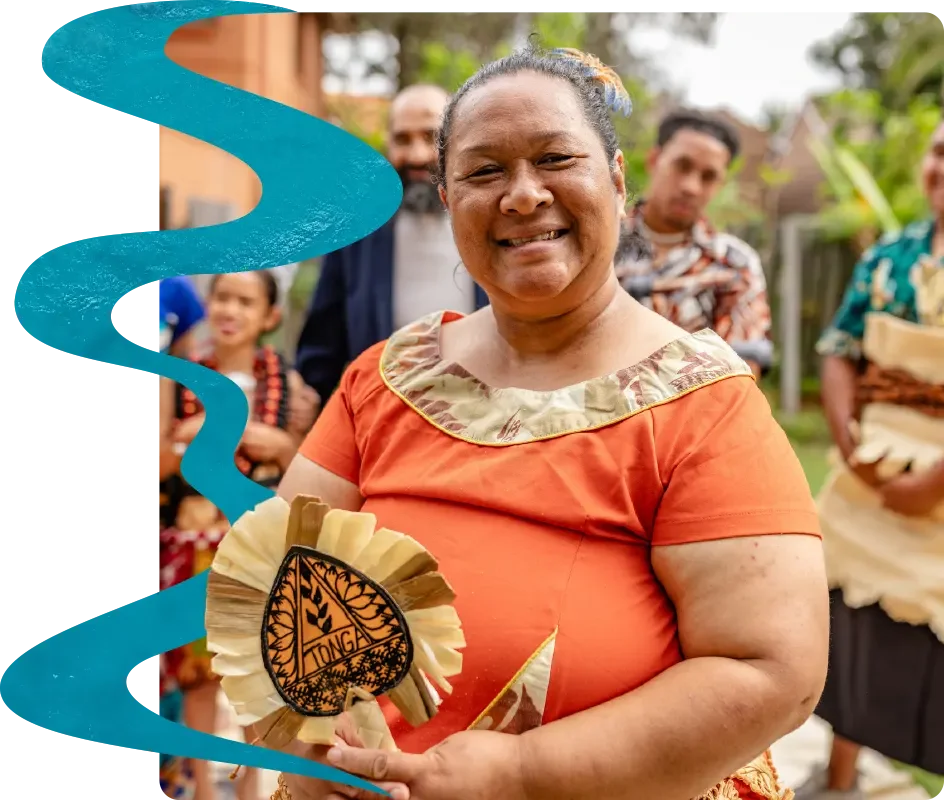
57yr old Samoan/Tokelauan man referred from a Pacific Community Health Service for continuous support to reduce his HbA1c again. His first languages are both Samoan and Tokelauan and he speaks just a little English. Diabetes New Zealand’s Diabetes Community Coordinator (DCC) who received the referral speaks Samoan as a first language. The ability to connect with the patient through his Samoan language and culture enabled a good engagement from the outset. Involving his wife was also important for his total engagement and successful outcomes.
Outcomes
HbA1c - reduced from 86 to 57
Finally settled into their Long Term Affordable Social Housing 3-bedroom rental home
He only takes fizzy drinks occasionally
Has a water bottle and buys water drops from the local cheap supermarket as a drink alternative
The purpose of our Model
To provide a culturally appropriate diabetes care delivery service to engage Māori, Pacific Peoples and other high-risk communities living with and affected by diabetes to self-manage their diabetes wellness.
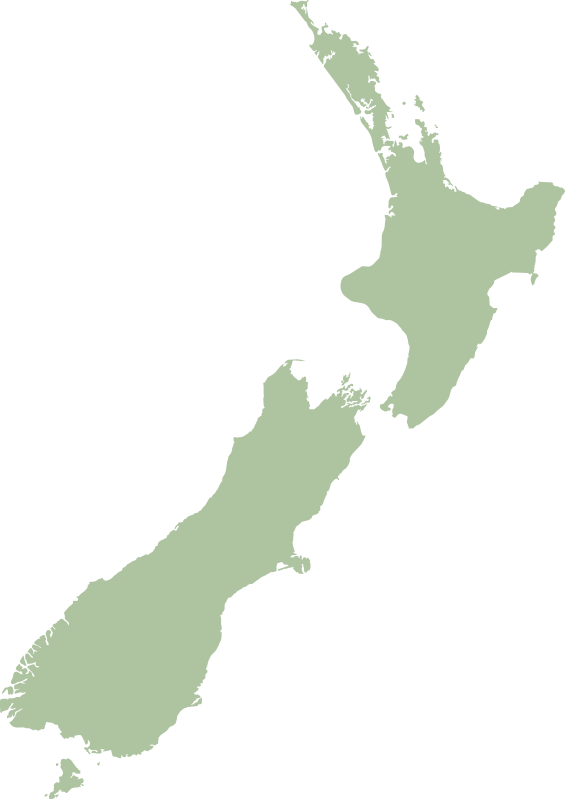
Aotearoa New Zealand’s population is 5,361,300.
Māori population = 17.5%
Putting indigenous people first is a deeply rooted value in Aotearoa New Zealand. Honouring Te Tiriti o Waitangi through partnership with Māori as tangata whenua - the first peoples, supporting tino rangatiratanga |self-determination and mana motuhake | autonomy.
Pacific Peoples population = 8.3%
New Zealand has one of the largest Pacific populations in the world. Including Samoan, Tongan, Cook Island Māori, Niuean, Fijian, Tokelauan, Tuvaluan, Kiribati, Tahitian, Rotuman, and Papua New Guinean.
Our Programme
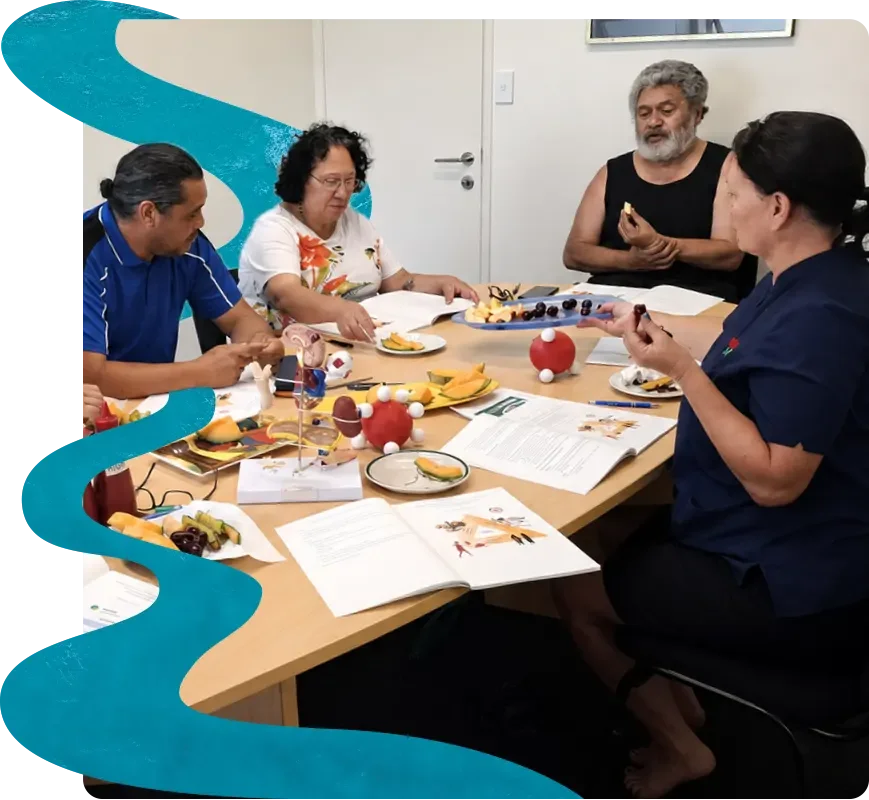
Diabetes: Your Life, Your Journey Diabetes Self-Management Education (DSME) is a 6-week modular course, with a single 2-hour session per week for anyone with Type 2 diabetes.
A way to learn more about Type 2 diabetes.
A resource to help manage diabetes-related changes.
A resource to assist in making clear and achievable goals.
A way to meet and share life experiences with others.
A group education programme designed for people with Type 2 diabetes.
Advantages of our New Zealand evidence-based Diabetes: Your Life, Your Journey programme:
Researched with Māori, Pacific Peoples, Indian (with interpreter) and other ethnic groups
Co-facilitated between a Kaiāwhina Mate Huka | Diabetes Community Coordinator and a Clinician
Māori groups facilitated by a Māori non-clinical Kaiāwhina Mate Huka.
Pacific groups facilitated by a Pacific non-clinical Diabetes Community Coordinator
Hands-on visual resources
Great for health literacy
Participants bring in their own lab results to learn about diabetes control in their personal context
SMART goal setting forms a key part of each session
Participants are encouraged to buddy-up with each other throughout the six-week programme and to keep supporting one another.
While some self-management programmes see dropout rates of up to 50%, our programme has had very few participants withdraw.