
What's for lunch?
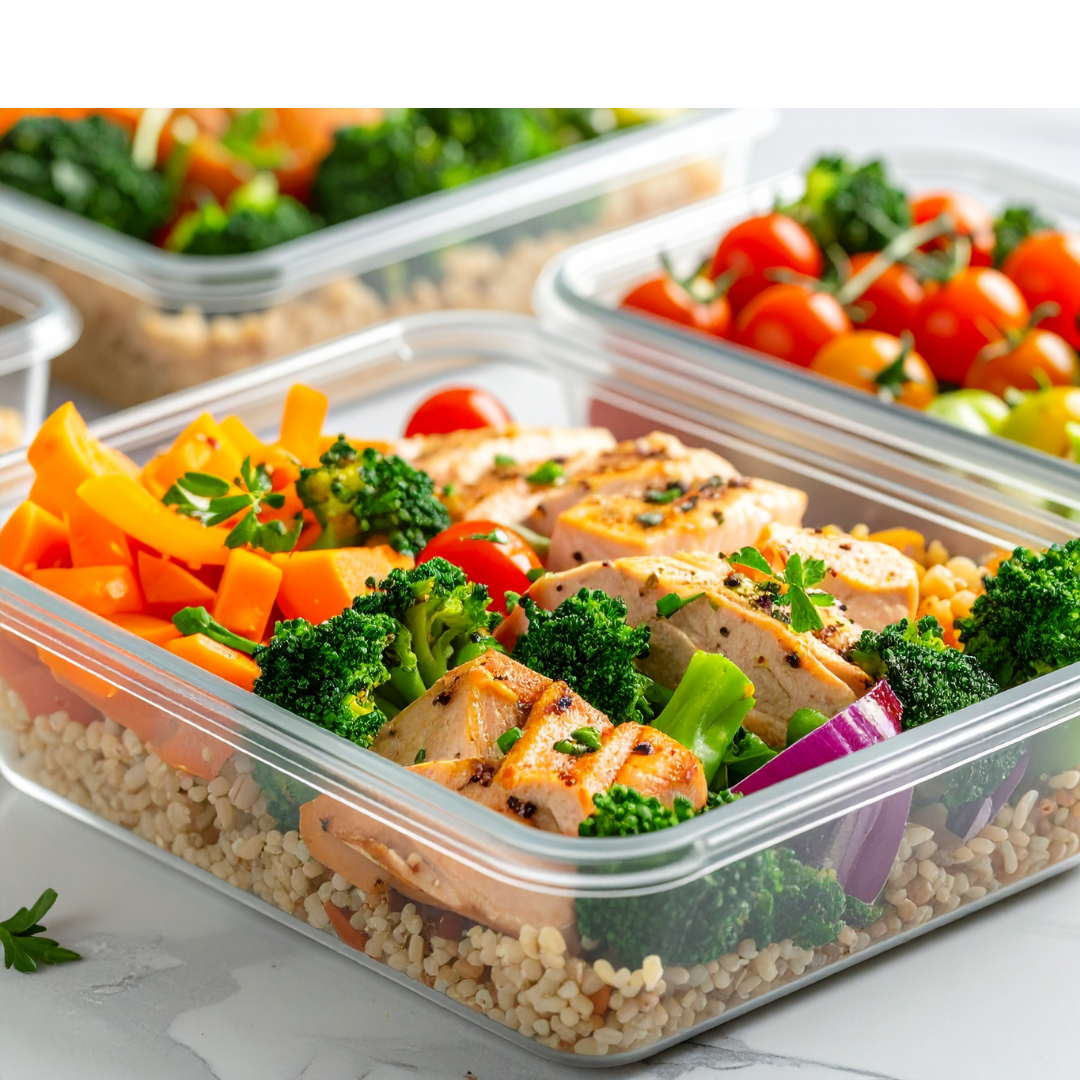
Have you just been diagosed with diabetes? Or want to make your diet more healthy? Nutrition expert Helen Gibbs offers some nutritious lunch options.
Lunch is an important meal but, because it is often eaten on the run, it poses its own set of challenges for making good choices in your diabetes journey.
THE “EAT MORE TO EAT LESS” PARADOX
Many people with diabetes will say to me they miss lunch, or they just have something small, but then on the next breath complain about overeating when they get home from work and after dinner. Over-eating, which is often blamed on a lack of willpower, may well be a result of hunger, due to a low intake earlier in the day.
If you struggle with late afternoon or evening hunger, it is worth experimenting with making your lunch more substantial. Or you could eat a nourishing, protein-rich afternoon snack, such as yogurt, cheese and crackers or a small serve of nuts.
SALAD IS OK BUT DON’T FORGET TO INCLUDE FILL-ME-UP FOODS
People trying to manage their weight often report eating salad for lunch, then find by 3pm they are hungry enough to buy something from the work snack box. When questioned further, it turns out their salad lunch didn’t include enough carbs or lean protein to fill them up.
If you are planning a salad lunch, follow the same rules as you would for a dinner – have the palm of protein food and the fist of starchy carbohydrate food. Your starchy food does not need to be limited to bread – try rice, pasta, cous-cous, quinoa, bulgur or even the humble potato instead.
Sometimes it is difficult to move away from traditional protein options, such as cold ham or cheese in your salads, but there are a wide range of other options you can try:
•Cook up extra chicken at dinner and add to your lunch
•Chickpeas, lentils or mixed beans can make an excellent base for a salad
•Hummus or baked falafel balls are healthy vegetarian choices
•Remember you can have one egg per day, even if you have diabetes.
Buying lunch
Making good choices when you buy lunch in a cafe or restaurant can be a bit of a challenge. If you stick with the following principles, you won’t go far wrong:
Eat less overall
Consider asking for an entree size or children’s portion. Don’t be tempted by super-sizing or large options.
Eat less fat, particularly saturated fat
Avoid extra cheese, creamy dressings or high fat meats such as salami. Ask for “without mayo and spread” if your lunch is being made from scratch.
Eat more vegetables
Load up on salads or vegetable-based soups. Ask that dressings are “on the side” so you can control the amount.
Eat higher fibre and wholegrain carbohydrate foods
Select wholegrain bread, brown rice or wholemeal pasta if this is an option.
Tip: It is important to eat slowly and enjoy your food, because it takes time for your brain to register your stomach is full. Eating lunch while working at your desk is a recipe for indigestion and it increases your risk of overeating.
First published in Diabetes Wellness, Autumn 2017 edition. For past issues of Diabetes Wellness magazine, visit: diabetesnewzealand Publisher Publications - Issuu