
Taking DSME to the heart of the East Coast: Our journey to Ruatoria
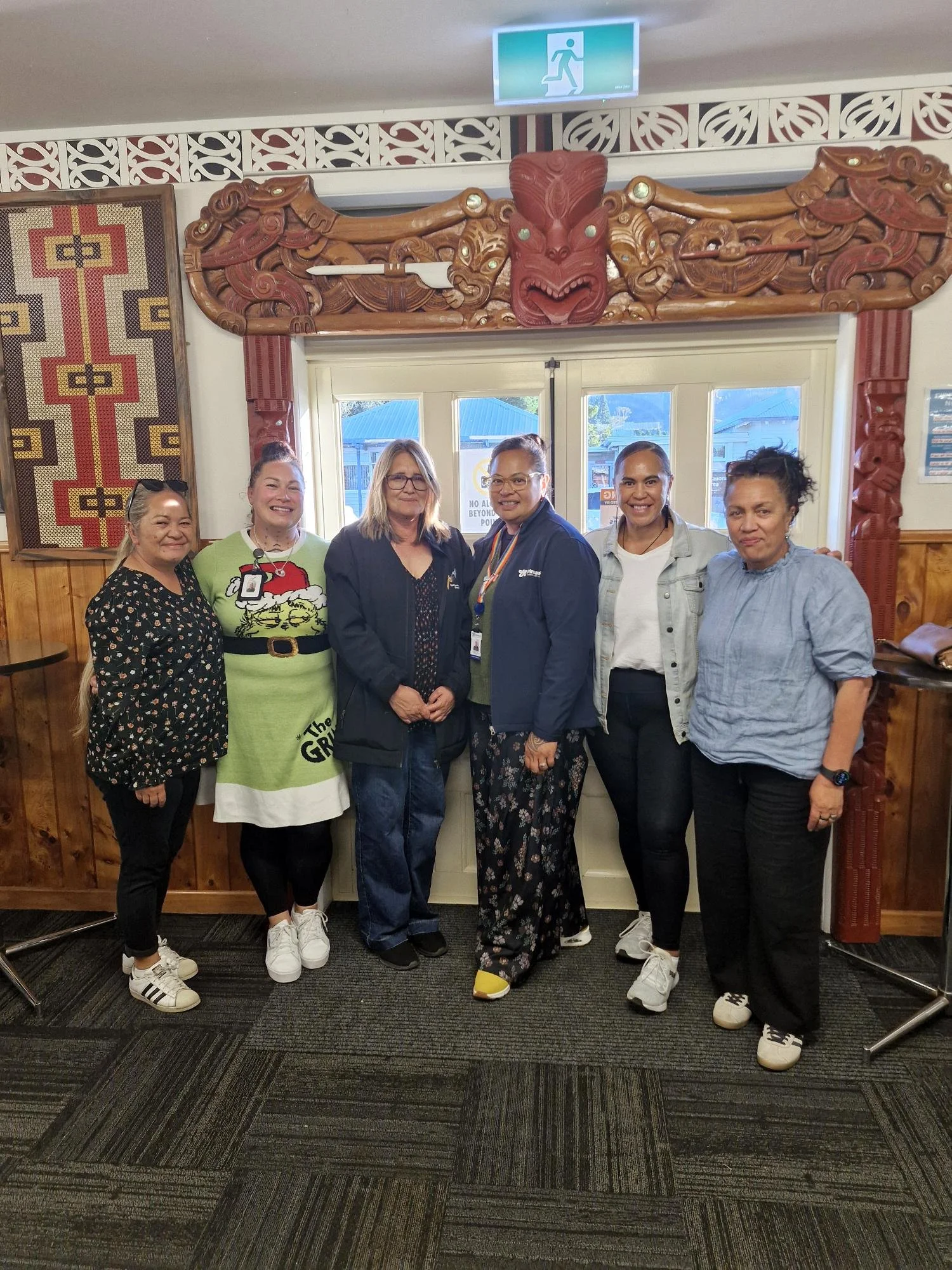
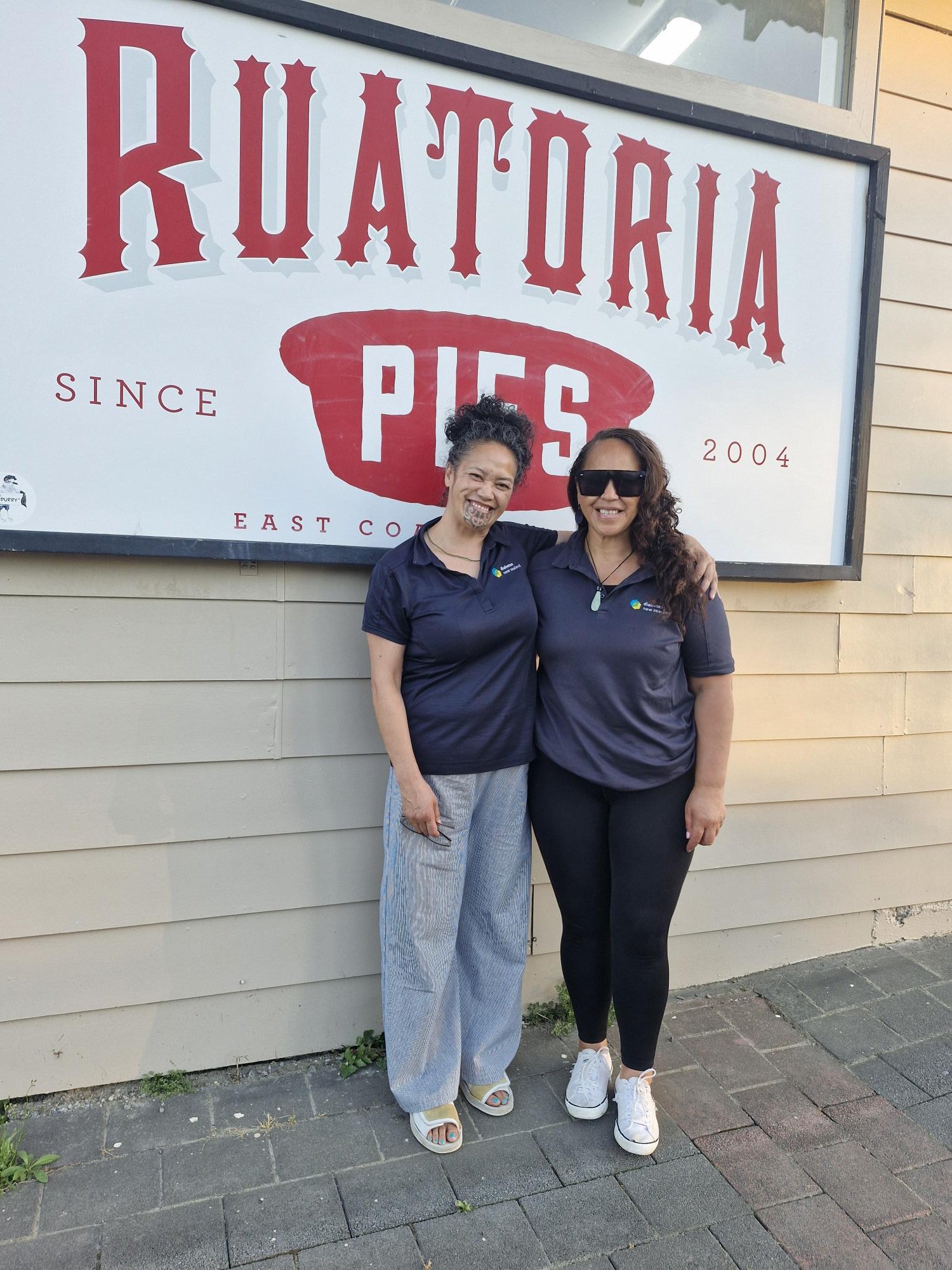
Late last year, Pinnacle Midlands Health, Tairāwhiti and Diabetes NZ (DNZ) embarked on a special journey - an eight‑week Diabetes Self‑Management Education (DSME) programme delivered in the rural township of Ruatoria, the heart of the East Coast. Each week, our Diabetes NZ Kaiāwhina Mate Huka as well as Pinnacle Midlands Health, Tairāwhiti and Ngāti Porou Oranga (NPO) clinicians travelled the length of State Highway 35, committed to bringing high‑quality, culturally grounded diabetes education directly to whānau.
What unfolded over those eight weeks was powerful: a community‑led pilot that proved just how transformative health education can be when delivered with cultural integrity, trusted relationships, and genuine partnership.
A Pilot Rooted in Partnership and Tikanga
The DSME pilot in Ruatoria was supported by key regional and national partners - Pinnacle Midlands Health, Tairāwhiti, Diabetes NZ, and Ngāti Porou Oranga. Each organisation brought expertise, resources, and guidance, ensuring the programme was not only clinically robust but also culturally aligned and locally relevant.
For the first time, DSME was delivered in partnership with Ngāti Porou Oranga, the trusted, community‑embedded health provider for whānau on the Coast. Their deep relationships, cultural leadership, and understanding of local realities shaped a programme that felt safe, familiar, and grounded in tikanga. This partnership strengthened engagement and created an environment where whānau could learn, connect, and grow with confidence.
Why Ruatoria?
Ruatoria, nestled beside the Waiapu River, is the heart of Ngāti Porou and the centre of the East Coast. Despite its strong cultural identity and community spirit, Ruatoria faces long‑standing barriers to accessing health services - distance, transport, cost, and limited local options.
Bringing DSME directly into the community removed these barriers. Whānau didn’t have to travel far or navigate unfamiliar systems. Instead, they could participate in a space that felt like home, surrounded by people they know and trust.
What Made This Partnership Work?
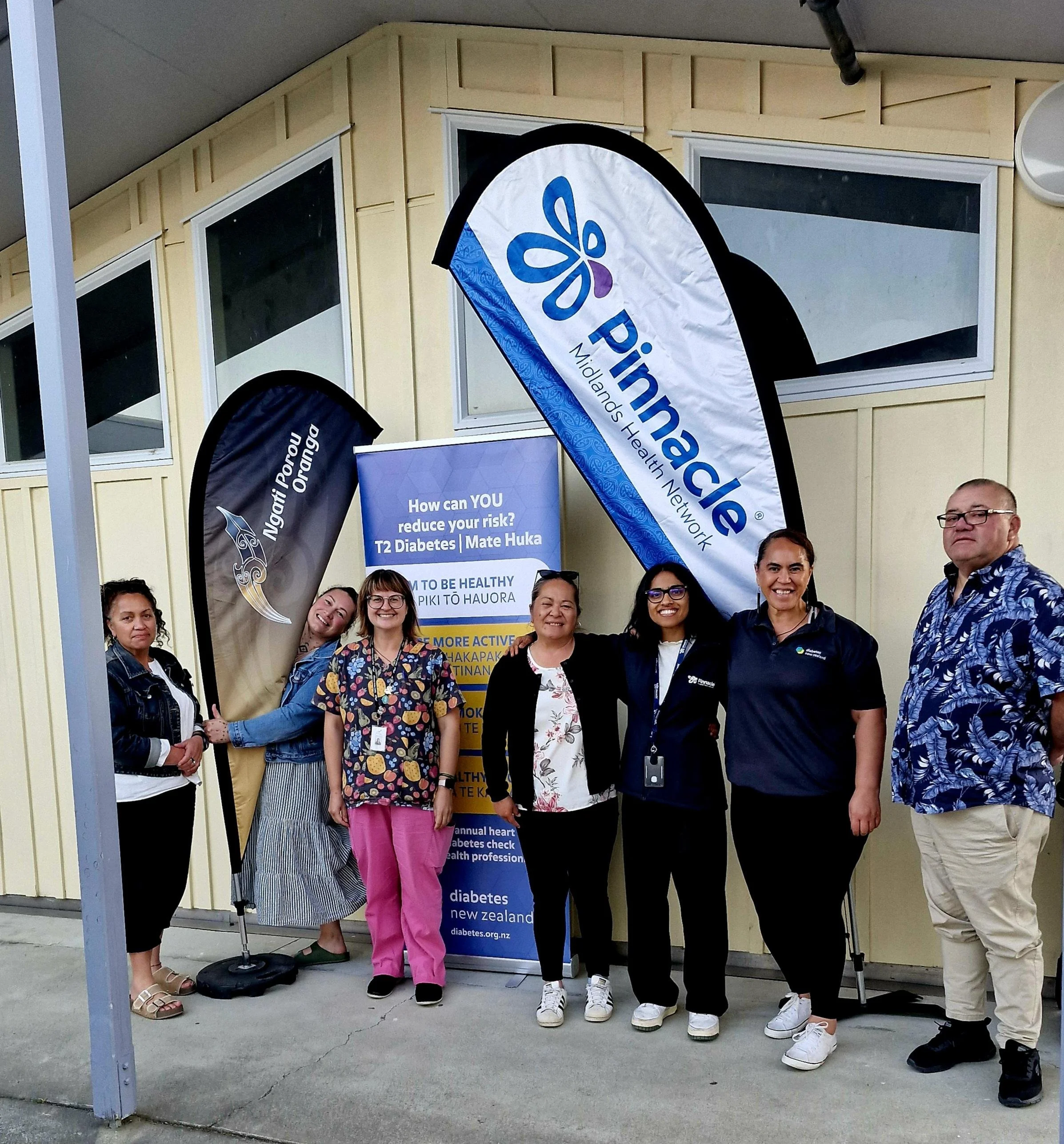
Trusted Relationships: NPO kaimahi live in the community, know the whānau, and hold long‑standing relationships that foster trust, safety, and genuine engagement.
Cultural Leadership: Tikanga, te reo, karakia, and whānau‑centred practice were woven naturally throughout the programme - essential elements for meaningful engagement with Māori communities.
Local Knowledge: NPO understands the realities of rural life on the Coast: transport challenges, limited access, and the complexities of managing long‑term conditions in isolated areas.
Stronger Engagement: Whānau were more willing to attend because the programme was delivered by familiar faces and trusted organisations.
Shared Commitment: All partners were united in their goal - empowering whānau to manage their health confidently and sustainably.
Co‑Design and Collective Ownership: This programme wasn’t delivered to the community - it was shaped with the community. That approach strengthened relevance, buy‑in, and long‑term impact.
Local support that made a difference: The success of the pilot was amplified by strong local support. Radio Ngāti Porou, Te Kura Kaupapa Māori o te Waiū ki Ngāti Porou, Ruatoria Community Health Clinic, and the Ruatoria RSA all championed the kaupapa. Their involvement helped spread the word, build excitement, and keep whānau connected throughout the programme.
The Impact: Whānau‑Led Success
The Ruatoria DSME pilot showed that when diabetes education is delivered with whānau, for whānau, and by people they trust, outcomes improve.
Whānau attended from across the Coast - some travelling from as far as Te Araroa. The programme reached individuals who have historically been hard to engage, and every one of them completed the full eight weeks.
Of the 35 whānau who registered, 27 completed the programme - a powerful testament to the strength of community‑led delivery. Participants engaged deeply, contributed openly, and grew in confidence as they learned how to manage their health in ways that made sense for their lives.
A Foundation for the Future
This pilot has laid a strong foundation for future DSME delivery across the East Coast. It has shown that meaningful health outcomes are achieved when we honour relationships, uphold mana, and work collectively for the wellbeing of our people.
By meeting whānau where they are - in their own communities, supported by people they trust - we strengthen the pathway for long‑term diabetes management for those living in rural settings.
The journey to Ruatoria was more than an eight‑week programme. It was a reminder of the power of community, culture, and collaboration - and a glimpse of what’s possible when we walk alongside whānau on their hauora journey.